You’ve heard the adage: hope for the best and prepare for the worst. When it comes to investing in rentals, most property owners are great at hoping for the best, but then they forget the rest. If you own rental property without being prepared for the numerous legal pitfalls associated with your investment, the risks can be costly. Typical legal fees are over $250 an hour, so a single legal issue can wipe out your entire annual profit. These 10 rules can prepare and protect you.
Americans with Disabilities Act
This law prohibits discrimination against potential tenants with disabilities. You also must allow the tenants to install adequate access features. You can require them to put the property back to its original condition. You are also prevented from charging deposits or fees for service animals, so be accommodating.
Fair Housing Act
The Fair Housing Act, as well as common decency, prohibits property owners from making housing decisions based on factors such as color, sex, national origin, religion, familial status, or disability. States and localities can add additional protected classes, and violations are expensive. Make sure you’re fair.
Habitability Laws
These vary from region to region and require that your rental property be safe and comfortable. If you neglect essential services like plumbing, running water, electricity, and heat, or respond slowly and require tenants to pay, you may end up with lawsuits, disputes, and possibly government intervention. Protect yourself.
Licensing Requirements
Inexperienced property owners often try to cut costs by making repairs themselves or hiring unlicensed labor. Most states require a license as well as minimum liability and workers’ compensation insurance. Bad repairs and potential injuries can lead to costly lawsuits. Only hire licensed and insured vendors.
Real Estate Regulations
Many aspects of property management are also regulated. Conducting activities that require a real estate license can lead to costly fines.
Responsiveness
It’s important to respond immediately to urgent calls and maintenance requests to avoid liability. Maintain a dedicated 24-hour phone system so emergencies can be handled at all times.
Accounting
Some of the heftiest fines are charged for improper accounting of the security deposit. This violates trust accounting laws and other regulations and they can cost up to three times the security deposit amount. Be diligent and handle security deposits and tenant funds accurately.
Record Keeping
Accurate recordkeeping will protect you from disputes and problems. Keep track of when and how you responded to issues and questions from tenants. This is the primary source of reliable information in litigation, so keep detailed records of everything and be accountable.
Security
As a property owner, you have access to the personal information of your tenants. You are required to keep it secure. Failure to keep this data confidential in what you share and how you store your records can open you up to liability, so be trustworthy.
Stay Current
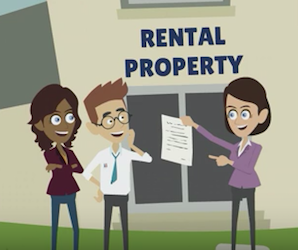
Most property owners lack the time or interest to stay informed about all these laws. If you need help, contact us at Real Property Management West San Fernando Valley. We can help you reduce your risk.